
Scaling and root planing
The most effective non-surgical way to stop gum disease early.
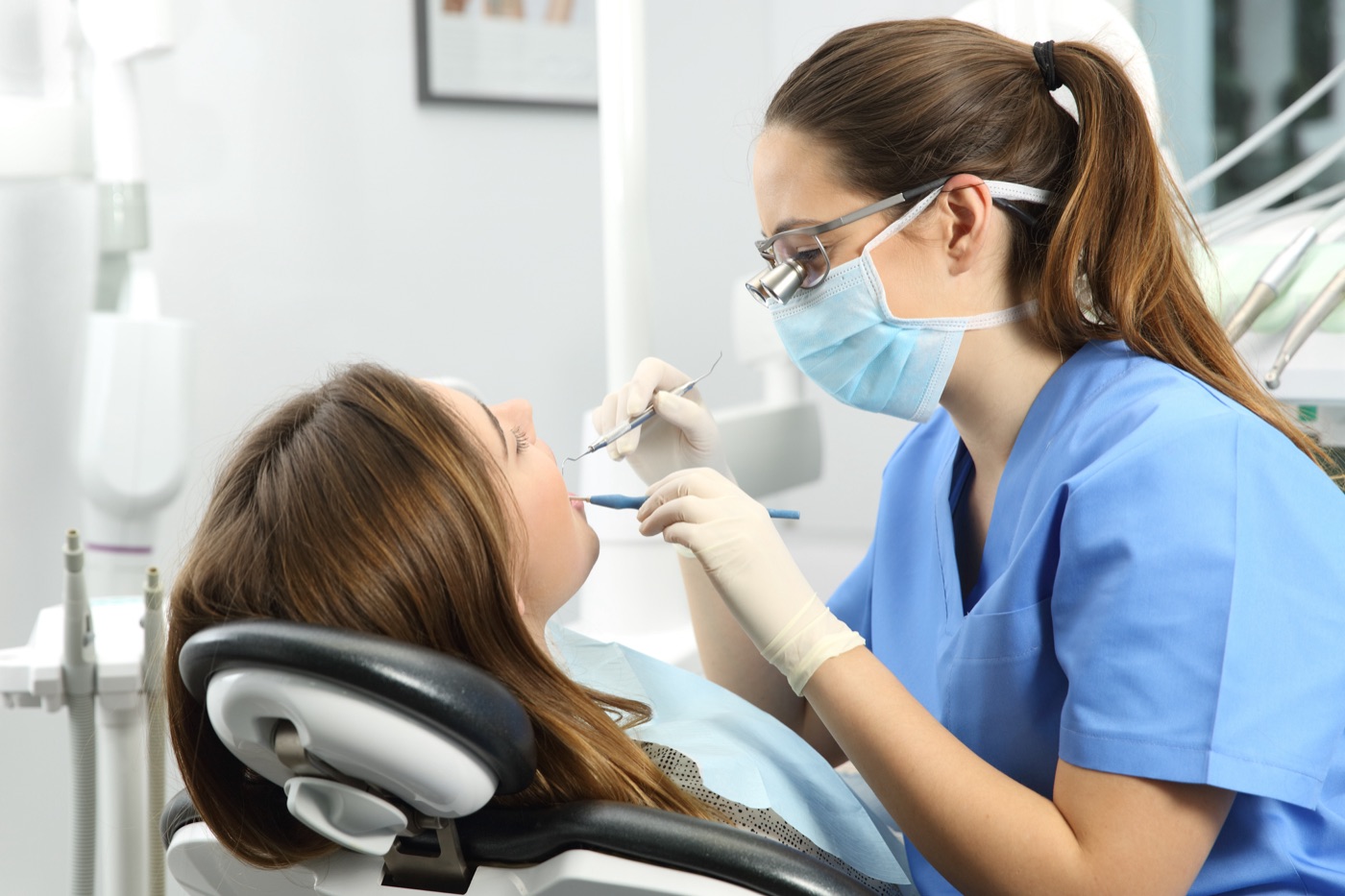
Scaling and root planing is one of the most effective, non-surgical ways to treat gum disease before it becomes severe. Scaling and root planing cleans between the gums and the teeth down to the roots.
Scaling is basically the process of removing dental tartar from the surfaces of the teeth. Root planing is the process of smoothing out the root surfaces and removing any infected tooth structure. If you have gum disease or gum pocketing, the gum pockets around the teeth will have deepened, thereby allowing tartar deposits to form under the gum line. A careful cleaning of the root surfaces to remove plaque and calculus (tartar) from deep periodontal pockets and smoothing the tooth root to remove bacterial toxins will help ensure that your gum disease is controlled.
Helpful Hints to Keep in Mind
- Scaling and root planing does not usually cause much discomfort, but you might experience some soreness afterwards, since deeper regions under the gums have been cleaned.
- Your teeth themselves may become a bit more sensitive to temperature, and bleeding might occur for a little while after your procedure.
- Over-the-counter painkillers, such as ibuprofen, work very well to alleviate discomfort, as do ice packs applied to the outside of the face around the treated area.
- Brushing and flossing will have to be done more gently to avoid aggravating any bruised or tender gum areas. We'll show you the best methods for keeping your teeth clean during this time.
Scaling and root planing is a simple procedure that can work very well to stop gum disease. If you maintain good dental care after the procedure, the progression of your gum disease should stop, and your gums will heal and become firm and pink again in no time!
Common Questions
Does scaling and root planing hurt?
How many appointments does it take?
What happens after the deep cleaning?
Come say hi!
Ready for a dentist you'll actually look forward to?
Join thousands of Clear Lake families who've found their dental home. New patients are always welcome.
